
Boston Diabetes · Gachibowli
Diabetic Foot Ulcer & Nerve Care in Hyderabad
Specialist evaluation for diabetic foot ulcers, reduced sensation, burning, tingling and numbness, with attention to the wound, nerves, circulation and diabetes-related factors.
Foot problems in diabetes can involve more than the skin. A comprehensive assessment looks at sensation, circulation, pressure, the wound where present and the medical factors that may affect foot health.

One assessment. Multiple factors considered.
- WoundFoot ulcer and wound assessment when present
- SensationNeuropathy and reduced sensation assessment
- CirculationBlood flow assessed when clinically appropriate
- DiabetesDiabetes control and relevant medical factors
The connection
Why Foot Ulcers and Neuropathy Need to Be Considered Together
Diabetic neuropathy can reduce sensation in the feet, so pressure, friction or minor injuries may go unnoticed. Combined with circulation, pressure and diabetes-related factors, this can contribute to foot complications, including ulcers.
- Diabetes
- Nerve changes
- Reduced sensation
- Unnoticed pressure or injury
- Foot risk
Also influenced by: circulation · pressure · infection · diabetes-related factors
An explanatory relationship, not a fixed sequence. Neuropathy does not always lead to ulcers, and some nerve symptoms have causes other than diabetes.
The wound
- Location
- Duration
- Pressure
- Skin condition
- Infection concerns
- Previous care
The nerves
- Sensation
- Burning
- Tingling
- Numbness
- Nerve conduction where indicated
And when appropriate, circulation and diabetes-related factors are assessed alongside them.
Diabetic foot ulcers
When a Diabetic Foot Wound Does Not Heal as Expected
The wound itself is only one part of the assessment. Understanding why it developed and what may be affecting healing helps guide the next clinical steps in diabetic foot ulcer treatment.
- Reduced sensation
- Pressure
- Friction
- Circulation
- Infection
- Diabetes control
- Footwear
- Wound characteristics
Seek urgent care if a foot wound comes with fever, rapidly spreading redness or swelling, a bad smell, or feeling generally unwell.

Diabetic neuropathy
Burning, Tingling or Numbness Can Be Signs of Nerve Dysfunction
- Burning feetFeet that feel hot or on fire
- Pins and needlesTingling in toes and soles
- Shooting sensationsSudden electric jolts
- NumbnessFeet that feel wrapped in cotton
- Reduced sensationHarder to feel the ground or small injuries
- Worse at nightEven a bedsheet can feel uncomfortable
A lack of pain does not necessarily mean the feet have normal sensation. Some people have reduced sensation with few symptoms.
Not every nerve symptom is caused by diabetes
Similar symptoms can occur with vitamin B12 deficiency, thyroid disorders, kidney disease, alcohol-related nerve injury, medication effects, spine-related nerve compression and other neurological conditions. Nerve symptoms can have several possible causes; clinical evaluation helps determine what needs to be investigated.

The evaluation
What Is Included in a Diabetic Foot & Nerve Assessment?
Tests are chosen according to the clinical assessment. Not every patient needs every test.

- 01
Foot examination
Skin, wound characteristics and pressure areas where relevant.
- 02
Sensation assessment
Protective sensation and other clinically relevant sensory findings.
- 03
Neurological assessment
Symptoms and neurological findings where appropriate.
- 04
Circulation assessment
Pulses, skin temperature, colour and other vascular findings as appropriate.
- 05
Diabetes and medical review
Diabetes control, medications and associated medical factors.
- 06
Further investigation
Blood tests, imaging, vascular assessment or referral when clinically indicated.
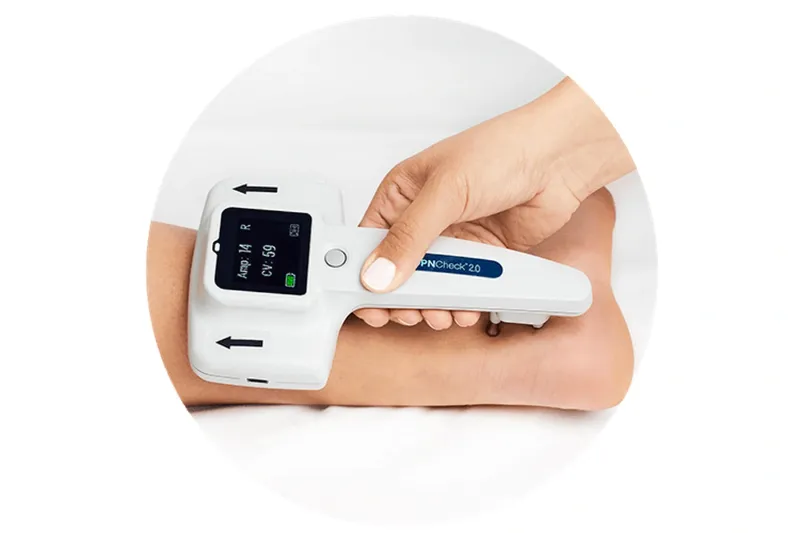
DPNCheck®
Objective Nerve Assessment When Clinically Appropriate
DPNCheck is a point-of-care nerve conduction device that gives an objective measurement of how the sural nerve in the lower leg is conducting.
- What it measuresNerve conduction speed and response, against age- and height-adjusted values.
- How it feelsA brief tapping or tingling at the ankle, a few minutes, same visit.
- Clinical roleSupports, never replaces, the consultant's examination. The US FDA clearance applies to the device.
When to consider it
A Foot Evaluation May Be Appropriate When There Is
- A foot wound that is not healing as expected
- Recurrent foot wounds
- Reduced sensation or numbness
- Burning or tingling
- Unexplained foot discomfort
- Changes in foot skin
- Concerns about circulation
- Previous diabetic foot complications
Management
Management Depends on What the Assessment Finds
- At Boston DiabetesWound care planning · offloading and pressure advice · foot-care education · diabetes management · treatment of infection when diagnosed · neuropathy management
- Evaluated, with referral when requiredCirculation problems, and vascular, surgical, neurological or other specialist care
Specialist team
Diabetes, Neurology and Nephrology Specialists
Dr. Siva Prasad Reddy
MD
Diabetes & Metabolic Medicine
Diabetes and metabolic review
Dr. Suresh Babu P.
MD, DM Neurology
Neurology
Nerve and sensation assessment
Dr. Kiran Kumar Mukku
MD, DM Nephrology & Renal Transplantation
Nephrology
Kidney factors that may affect assessment and treatment choices
Dr. Ram Kumar G.
MD
Internal Medicine & Diabetes
Medical review and ongoing care
Questions
Diabetic foot and neuropathy: common questions
What is diabetic neuropathy?
Nerve damage associated with diabetes. The most common form usually starts in the toes and soles and can slowly move upward. Long-term raised blood sugar is a major factor, but other causes can add to or mimic it, which is why an evaluation matters.
What are the symptoms of diabetic neuropathy?
Burning, tingling or pins and needles, electric or shooting pain, numbness and reduced feeling in the feet, often more noticeable at night. Some people have reduced sensation with few symptoms, which is why the feet are examined as well.
Can neuropathy contribute to diabetic foot problems?
It can. Reduced sensation may make pressure, friction or small injuries harder to notice. Together with circulation, pressure and diabetes-related factors, this can contribute to foot wounds. It does not mean every person with neuropathy will develop an ulcer.
Why can diabetic foot ulcers take longer to heal?
Healing can be affected by reduced blood flow, reduced sensation so the area keeps taking pressure, infection and blood sugar control. That is why the factors behind the wound are assessed, not only the wound itself.
What should I bring to the evaluation?
Recent HbA1c and sugar reports, kidney, vitamin B12 and thyroid reports if available, previous wound or nerve reports and scans, details of treatment so far, all current medicines with doses, and the footwear you usually wear.
What is DPNCheck?
A US FDA-cleared, point-of-care nerve conduction device that measures how the sural nerve in the lower leg is conducting. It takes a few minutes with a brief tapping or tingling at the ankle. It is used when clinically indicated and supports, but does not replace, the consultant's examination.
Other specialist care at Boston Diabetes
Book and visit
Request a specialist evaluation at Boston Diabetes, Gachibowli
- Address
- 1st Floor, above Ratnadeep Supermarket
Lumbini Avenue, Gachibowli
Hyderabad, Telangana 500032 - Landmark
- Near Biodiversity Park, Gachibowli
- Hours
- Monday to Saturday, 8:00 AM to 8:00 PM
- Phone
- +91 80086 72097
- Parking
- Parking available at the building

Your details
Three details. No medical history needed.